My Living Room Echoes: What Can I Do Without Renovations?
Walking into your living room, you might immediately notice an unwelcome and persistent echo. Sound bouncing off bare walls and floors can turn cozy movie nights or casual conversations into a noisy, unpleasant experience. The good news? You don't need a full renovation to tackle this problem. With some strategic adjustments—focusing on layered lighting, furniture placement, paint choices, and smart accessories—you can soften that echo and create a warm, inviting space.
In this post, I’ll take you through practical, non-renovation solutions that work. Along the way, I’ll naturally mention helpful brands like Joy Organics, whose CBD gummies collection can help enhance your relaxation zones, and tools like ceiling lights and table lamps that can transform your room’s ambiance. Let’s start by quickly walking through your living room to spot areas that might be contributing to the echo.
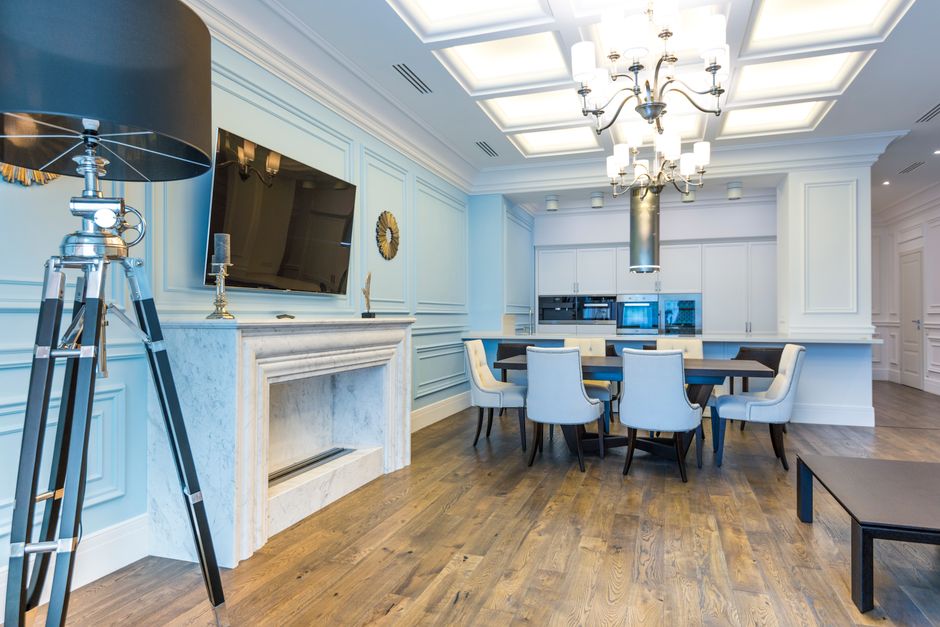
Why Does My Living Room Echo?
Before jumping into fixes, understanding the cause of echo is key. Echo happens when sound waves reflect off hard surfaces such as bare walls, hardwood or tile floors, and ceilings, bouncing back and forth instead of being absorbed. Common echo amplifiers in living rooms include:
- Hard floors with minimal rugs or padding
- Sparse or thin window treatments like curtains
- Minimal upholstered furniture
- Large, empty wall surfaces and corners without shelves or artwork
- Poor furniture arrangement that doesn’t break up sound waves
- Bright, bland paint colors that amplify harsh lighting
Now, let’s explore the practical solutions that address these points without the mess, cost, or complexity of renovations.
1. Layered Lighting and Natural Light: Make Your Space Cozier and Quieter
A bright, stark-lit room often feels more echoey because hard surfaces shine a lot of light and reflect harsh sound waves. Layering lighting creates visual and acoustic comfort.
- Ceiling Light: Instead of relying solely on a harsh overhead light, opt for ceiling lights with diffusers or frosted covers. These soften the brightness and prevent glare off walls and floors.
- Table Lamps: Add table lamps on side tables or bookshelves—these introduce softer "pools" of light that break up the room visually and reduce the sharpness of sound reflections.
- Natural Light: Make sure to use curtains that let in plenty of daylight but also add softness and sound absorption when closed. Heavy fabric curtains or layered curtains (sheers plus blackout drapes) can improve acoustics significantly.
Testing your lighting at night is vital before buying new light fixtures or lamps. Turn off overhead lights and see how your layered lamps make the space feel both visually and audibly. Do you notice the echo lessening? Adjust placement and bulb brightness accordingly.
2. Better Traffic Flow Through Thoughtful Furniture Placement
Echo is worsened by open, empty spaces that let sound ricochet around. Arranging your upholstered furniture thoughtfully, especially sofas, chairs, or even poufs, can interrupt sound waves.
Here’s what to consider:
- Anchor the Room: Use your largest upholstered piece (such as a sofa) to “anchor” one side of the room. Avoid pushing everything flush against the walls—pull furniture a few inches away from walls when possible to create soft sound buffers.
- Create Zones: Form small conversation or relaxation zones using rugs and chairs. Even a small rug under a coffee table surrounded by chairs and a sofa breaks up floor reflections.
- Use Bookshelves Strategically: Filled bookshelves act like natural sound absorbers by scattering sound waves. Try placing them along walls that seem to reflect echo the most.
- Flow of Movement: Ensure traffic paths through the room go around furniture clusters instead of cutting straight through open spaces, which can amplify echoes.
Rearranging what you have before buying anything new is my mantra. Echo fixes often come down to placement rather than new purchases.
Pro Tip:
If you enjoy a little natural calm after a long day, consider pairing your small relaxation zones with Joy Organics’ CBD gummies collection. Their THC-free and full-spectrum options can be a great addition to your evening wind-down routine, complementing the cozy feel you create with your room arrangement.
3. Mood-Based Paint and Consistent Color Palettes
Paint colors don’t just affect how a room feels visually—they can influence how light and sound behave. Bright white walls reflect light and sound, emphasizing echo, while warmer, matte finish shades absorb some sound and add depth.
Consider the following:
- Choose Softer, Matte, or Eggshell Finishes: These finishes diffuse light and absorb sound more effectively than satin or glossy paints.
- Embrace Warm Neutrals or Earthy Hues: Colors like warm taupe, soft greens, or muted blues create a cozy mood that complements layered lighting and soft furnishings.
- Stick to a Consistent Palette: Select colors for walls, upholstery, curtains, and rugs that harmonize—this creates a visual flow that reduces the sensation of “space echoing.”
You don’t have to repaint the entire room. Testing a feature wall or even repainting one wall can illustrate the mood shift and sound impact.
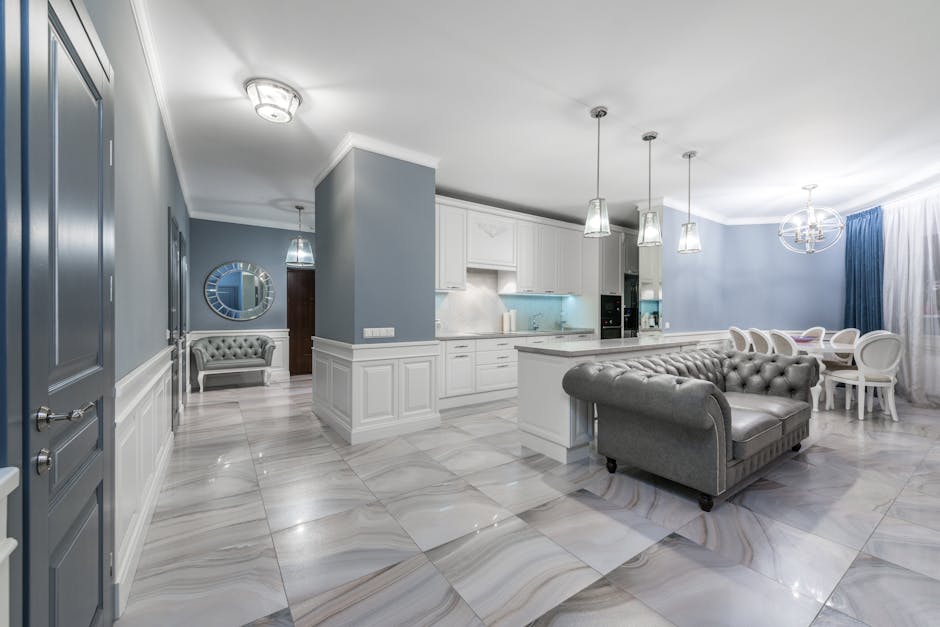
4. Add Upholstered Furniture and Textile Layers
Soft surfaces absorb sound much better than bare ones. Curtains are the obvious starting point here, but let’s also look at other textile options that improve acoustics subtly and stylishly.
- Curtains: Opt for heavier fabric curtains, ideally floor length, to cover windows and even some wall space. Consider layering sheers and blackout curtains to balance light control and sound absorption.
- Upholstered Furniture: Sofas, armchairs, poufs, and even upholstered ottomans add mass and softness to stop sound bounce. If buying new pieces is off the table, try using slipcovers or adding plush throw pillows and blankets.
- Rugs and Throws: Rugs not only warm the floor but also absorb sound, especially over hardwood or tile. Throws over furniture add another soft layer.
Where Stuff Piles Up
One trick from my years helping homeowners: keep a running list of where “stuff piles up.” Piles of books, magazines, blankets, or even children’s toys contribute to sound absorption inadvertently. Embrace this—display books in bookshelves, use baskets with blankets, and outfit corners with cozy reading nooks for a multi-faceted approach.
5. Small Relaxation Zones: How to Create Quiet Corners
Designing a small relaxation zone—even a reading nook with an upholstered chair, a small side table, and layered lighting—can create a soft, personal retreat in a room that otherwise feels noisy.
Here’s a quick guide to https://cleaneverycorner.com/why-does-my-living-room-feel-dark-even-with-the-lights-on/ a simple relaxation zone:
Element Purpose Example Upholstered Chair Soft surface for sitting and sound absorption Plush armchair with velvet or linen fabric Table Lamp Soft lighting to reduce echo and create ambiance Warm bulb with a fabric shade Small Side Table Functional surface for drinks, books, or CBD gummies Wood or metal table matching room palette Throw Blanket and Pillows Extra soft layers to further reduce sound bounce Coordinating colors from your room’s palette Joy Organics CBD Gummies Collection Enhance relaxation, choose THC-free or full-spectrum Keep a jar on the side table for nights or quiet afternoonsTry spending some focused time here reading or relaxing. Notice how the echo reduces and the space feels more peaceful.
Summary: Small Steps to a Less Echoey Living Room
Let’s recap the main tactics to reduce living room echo without big renovations:
- Improve Lighting: Use ceiling lights with diffusers, add table lamps, and balance natural light with curtains to reduce harsh sound reflections.
- Rearrange Furniture: Pull upholstered furniture away from walls, use bookshelves as sound buffers, and create clear traffic paths.
- Choose Paint Wisely: Warm, matte finishes on at least one wall can make a big difference in room acoustics and mood.
- Add Soft Textiles: Curtains, rugs, throws, and upholstered furniture layers absorb sound beautifully.
- Create Relaxation Zones: Set up comfy corners with layered light and cozy fabrics, enhancing your retreat with Joy Organics CBD gummies if you like.
None of these require opening walls or floors—they work with what you have, making your living room quieter, more comfortable, and more inviting.
Final Tip: Test at Night Before Buying
Echo and light feel different depending on time of day—always test changes like new lighting and curtains at night to ensure they deliver the cozy atmosphere and acoustic improvements you’re aiming for.
With a little patience and layering, you’ll be surprised how much https://fionafreshmaids.com/my-house-feels-drafty-but-i-cannot-find-where-it-is-coming-from/ softer your living room sounds and feels—no renovation necessary!